
Intellectual Property
Brand and content disputes can affect trading, reputation, and commercial value very quickly.
Clear starting guidance for commercial rights and ownership disputes
For businesses, founders, creators, and rights-holders dealing with branding conflicts, ownership disputes, misuse of content, or other intellectual-property issues connected to Trinidad and Tobago.
In practice, clients rarely come in saying “I have an intellectual property matter” with perfect clarity. They usually say someone is using their name, content, product identity, or work — or they need to protect a brand they’ve built before someone else copies it. Trinidad and Tobago intellectual-property law sits across several statutes, and the right protection depends on what kind of asset is in issue.
Trade marks are governed by the Trade Marks Act, Chapter 82:81. Registration with the Intellectual Property Office (IPO) gives the proprietor exclusive rights in the registered classes of goods or services for an initial 10-year term (renewable indefinitely). Registration is the strongest position, but unregistered marks may still have protection through the common-law tort of passing off — which requires proof of goodwill, misrepresentation, and damage. Copyright is governed by the Copyright Act, Chapter 82:80 and arises automatically on creation of an original work in fixed form (literary, artistic, musical, audiovisual, and sound recordings). No registration is required. Duration is generally life of the author plus 50 years. Patents for inventions are governed by the Patents Act, Chapter 82:76, with the IPO administering applications. Industrial designs are protected under the Industrial Designs Act, Chapter 82:77.
Where someone is using your trade mark, copying your content, or trading on your goodwill, the practical sequence usually starts with evidence preservation — capturing the infringing use with dates, screenshots, and (where possible) the chain of how the infringement was discovered. The next step is a cease-and-desist letter setting out the infringed right, the evidence, and the demanded action (cease use, account for profits, undertaking not to repeat). Where the infringer ignores the letter or denies the right, available remedies include interim injunctions to restrain further infringement, Anton Piller orders to seize infringing material before it can be hidden or destroyed, and damages or account-of-profits claims at trial. The firm advises on which combination of remedies fits the specific facts and commercial objective.
For business owners who have not yet registered, the firm also advises on proactive protection — clearance searches before launching a new brand, registration strategy across the relevant classes, employment contracts that handle IP ownership of work created by employees, and licensing arrangements. Acting before a dispute arises is significantly cheaper than acting after.
Brand and identity disputes
Support where names, logos, trade identity, or market positioning are being copied, challenged, or used without proper authority.
Ownership and usage review
Advice on who owns the relevant work, what rights may exist, and what the documents or commercial arrangements actually say.
Content, publication, and misuse concerns
Initial legal review where materials, ideas, content, or protected business assets are being used in a way that may be unauthorized.
Commercial protection strategy
Practical direction on evidence, cease-and-desist correspondence, negotiation, and how IP issues overlap with wider business risk.

Built for clients dealing with Trinidad and Tobago legal realities, deadlines, and procedural demands.
Matters we handle
Common instructions in this area
- Brand, logo, and identity conflicts
- Ownership and usage disputes
- Content misuse and unauthorized publication
- Commercial rights protection
- IP issues overlapping with contract or employment disputes
What to expect
How the first stage usually works
- Identify the work, brand, or commercial asset in issue and gather the documents showing creation, ownership, or authority to use it.
- Review correspondence, publication history, business context, and whether the dispute also touches contracts, confidentiality, or employment.
- Determine whether the next step is preservation, demand correspondence, negotiation, or wider commercial litigation strategy.
Why clients use this practice
Commercially focused
The page is built for clients who need to protect brand value or business assets, not just understand abstract legal concepts.
Useful before disputes escalate
Early review can help preserve leverage before copied content, disputed branding, or unclear ownership creates wider commercial problems.
Structured for mixed legal issues
Intellectual-property matters often overlap with contracts, employment, confidentiality, or reputation disputes. This service line is written with that overlap in mind.
Related attorneys
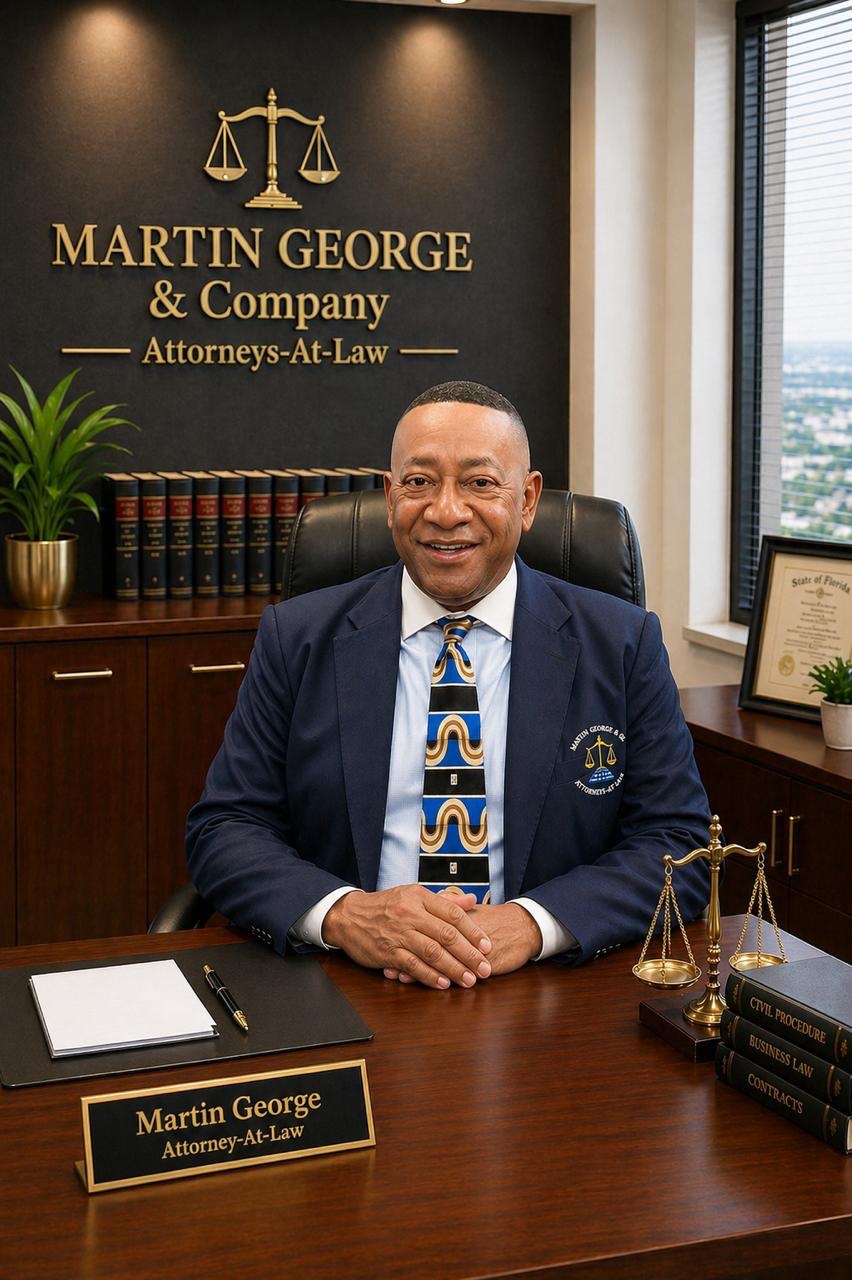
Your Intellectual Property Legal Team
Meet the attorneys most closely connected to intellectual property work.
Frequently asked questions
How do I register a trade mark in Trinidad and Tobago?
Trade marks in T&T are registered under the Trade Marks Act, Chapter 82:81 with the Intellectual Property Office (IPO). Registration involves a search of the IPO register, filing the application with the relevant class(es) of goods or services, examination, publication for opposition, and (if unopposed) registration. Registration is initially for 10 years and renewable. Unregistered marks may still have protection through the common-law tort of passing off.
Is copyright registered in T&T?
No. Copyright in Trinidad and Tobago arises automatically on creation under the Copyright Act, Chapter 82:80, provided the work is original and reduced to a fixed form. There is no registration requirement (unlike trade marks or patents). The duration is generally the life of the author plus 50 years for literary, artistic, and musical works.
What can I do about a copy of my product or brand on the market?
Available remedies include a cease-and-desist letter, an Anton Piller order (to seize infringing material), an interim injunction to restrain further infringement, and a damages or account-of-profits claim. The right strategy depends on whether the infringed right is a registered mark, a registered design, a patent under the Patents Act, Chapter 82:76, or copyright — and on the scale and visibility of the infringement.
Ready to discuss your matter?
Speak with the firm about intellectual property issues, timelines, and the best next step for your situation.