Defamation & Media Law
When reputation is under attack, delay can make the damage harder to control.
Reputation-focused guidance for print, broadcast, and online harm
For individuals, professionals, public figures, and businesses facing libel, slander, cyber-defamation, online harassment, false accusations, or other reputation-related disputes.
If someone has published a false statement about you — whether in print, in a broadcast, or online — you need a defamation lawyer in Trinidad and Tobago who understands both the legal framework and the practical reality of how reputational damage spreads in the digital age. Defamation in Trinidad and Tobago is governed by the Libel and Defamation Act, Chapter 11:16 together with the common law. The cause of action protects individuals and organisations from statements that lower them in the estimation of right-thinking people, expose them to hatred, contempt, or ridicule, or cause them to be shunned or avoided. Whether the statement was spoken (slander) or written and published (libel), the harm it causes can be significant and, in the age of social media, can reach a very wide audience very quickly.
Timing is critical. Defamation claims in T&T are subject to a four-year limitation period under the Limitation of Certain Actions Act, Chapter 7:09, and a false statement that sits unchallenged online for weeks or months is far harder to address than one that is met with a prompt legal response. The first priority is always to preserve evidence — screenshots with visible URLs and timestamps, links, dates, publishing platforms, and any indication of how widely the material has been viewed or shared. After that, the legal review focuses on (1) whether the statement is defamatory in its natural and ordinary meaning, (2) whether the claimant is identifiable, (3) whether the statement was published to a third party, and (4) what defences may be raised — most commonly justification (truth), fair comment on a matter of public interest, absolute privilege (e.g. statements in Parliament or judicial proceedings), or qualified privilege. Available remedies include a formal demand for retraction or apology, an injunction to prevent further publication (including against online platforms in appropriate cases), and a damages claim for the harm already caused.
Cyber-defamation and social media defamation deserve specific mention because they present distinct challenges. Statements made through online trolling, anonymous accounts, or viral sharing can be difficult to attribute and even harder to stop once they gain traction. In Trinidad and Tobago, as in other jurisdictions, the fact that a statement was made online does not reduce its legal significance, and anonymous publication does not guarantee the author is beyond reach. We assist clients in assessing these situations and in taking the steps — including injunctions against publication and tracing efforts where appropriate — that give them the best realistic chance of containing the damage.
Services in this practice area
- Defamation of Character
- Libel
- Slander
- Cyber-Defamation & Online Trolling
- Social Media Defamation
- Injunctions against publication
- Demands for retraction
- Damages claims for reputational harm
- Media law advice
- Privacy and confidentiality breaches
When you come in for a defamation consultation, bring everything you have preserved: screenshots with visible timestamps and URLs, records of how the statement was shared, any messages or responses from the publisher, and a clear account of the impact the statement has had on your professional reputation or personal life. If you have not already preserved the evidence, do that before anything else — publication records can disappear quickly, and a defamation claim is much harder to pursue without them. You should also tell us whether you have already responded publicly, because that can affect the options available going forward.
Our approach to defamation is direct and evidence-focused. We assess the strength of the claim honestly, identify the most effective form of legal response for the specific situation, and advise on whether a public or private resolution is likely to produce the better outcome. Not every defamation matter needs to go to court — a well-crafted demand letter to the right party, supported by clear legal analysis, often achieves a retraction and an apology far more quickly than litigation. Where court action is necessary, we pursue it with the same rigour we bring to all contested matters. Clients across Trinidad and Tobago who are dealing with reputational attacks — including businesses and professionals whose commercial relationships are at risk — should take legal advice before responding publicly.
Further reading at law.martingeorge.net
For deeper background on T&T defamation and privacy law, see the firm’s legal education site:
Libel and slander matters
Assessment of spoken and written statements that may have harmed reputation, credibility, or professional standing.
Cyber-defamation and online trolling
Support where reputational harm is being amplified through social media, messaging platforms, websites, or other digital publication.
Pre-publication and response strategy
Advice on demand letters, takedown requests, publication risk, and measured legal response before reputational harm spreads further.
Business and professional reputation protection
Guidance for companies and professionals where false statements may affect client trust, commercial relationships, or public confidence.

Built for clients dealing with Trinidad and Tobago legal realities, deadlines, and procedural demands.
Matters we handle
Common instructions in this area
- Libel and slander claims
- Cyber-defamation and online trolling
- False allegations affecting professional standing
- Demand letters and takedown strategy
- Business reputation and publication disputes
What to expect
How the first stage usually works
- Preserve the publication record, including screenshots, links, dates, authorship details, and any immediate impact on reputation or business.
- Assess whether the statement is defamatory, whether defences may arise, and what urgent response options are realistically available.
- Move into correspondence, takedown strategy, negotiation, or litigation depending on the seriousness and spread of the publication.
Why clients use this practice
Built for urgency
Reputational harm can spread quickly. The page is structured around practical first steps rather than abstract legal theory.
Useful for digital disputes
The service line recognises that many modern defamation problems unfold online, often across multiple platforms and formats.
Focused on evidence and publication
Clients are guided to preserve screenshots, links, dates, and publication details because those are often critical to any meaningful review.
Related attorneys
Your Defamation & Media Law Legal Team
Meet the attorneys most closely connected to defamation work.
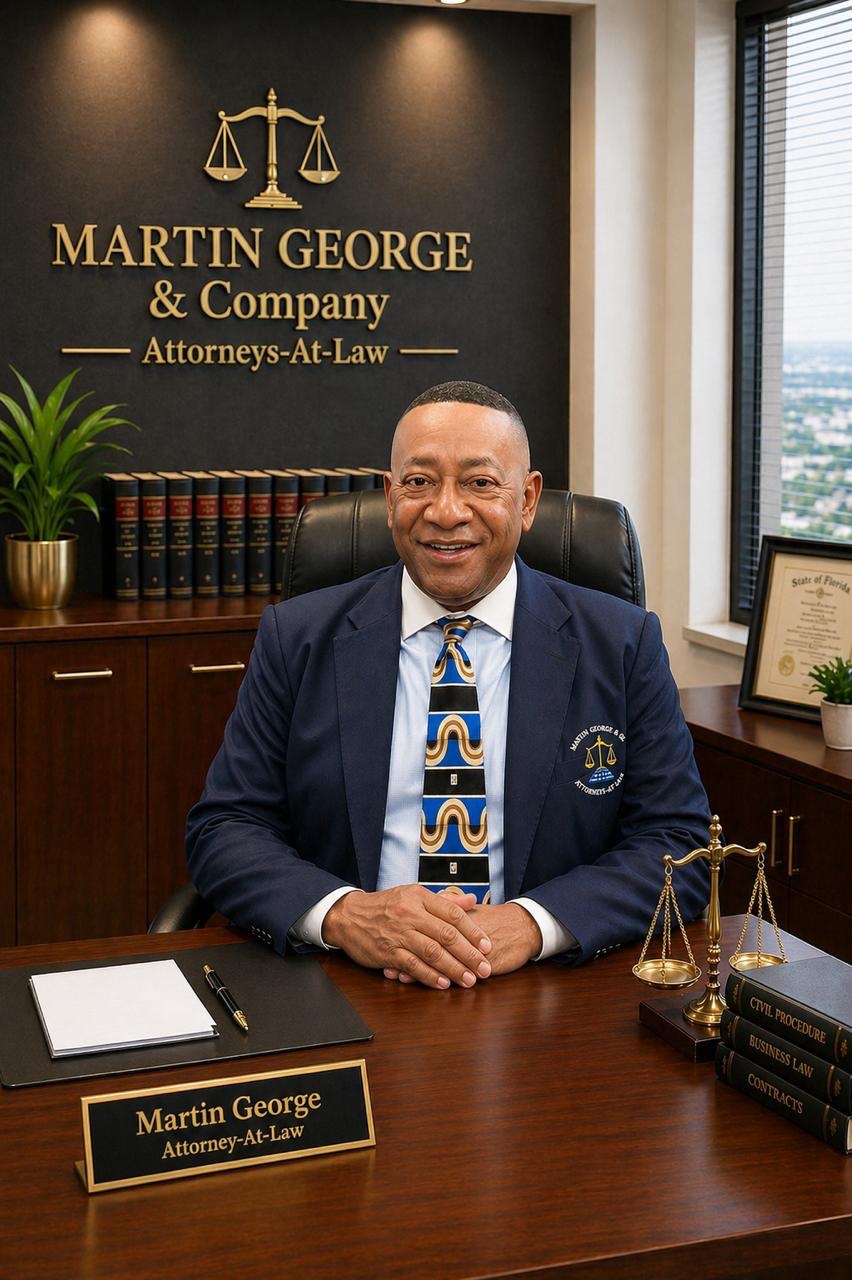
Martin George
Senior Partner & Lead Counsel
Senior Partner and Lead Counsel with more than 30 years of practice in the courts of Trinidad and Tobago, leading the firm across all of its practice areas with a calm, measured, results-driven approach.

Danesha Munroe
Attorney-at-Law
Instructing Attorney-at-Law admitted to practise in 2023, building experience in negligence claims, mortgage and financial institution disputes, defamation and social media slander, and employment dispute resolution with major local and international companies.
Frequently asked questions
What is the limitation period for a defamation claim in T&T?
Defamation claims in Trinidad and Tobago must generally be brought within four years of publication under the Limitation of Certain Actions Act, Chapter 7:09. For online publication, each fresh access of the publication may amount to a fresh publication for limitation purposes — but the safer position is to act promptly rather than rely on the multiple-publication rule.
What defences are available to a defamation claim in T&T?
Under the Libel and Defamation Act, Chapter 11:16 and common law, the principal defences are justification (truth), fair comment on a matter of public interest, absolute privilege (e.g. statements in Parliament or judicial proceedings), and qualified privilege. The defence of responsible publication on a matter of public interest (the Reynolds-style defence) is also available in appropriate cases.
Should I respond publicly before seeking legal advice?
Not always. A public response can amplify the original statement, can prejudice a future claim by appearing to acknowledge a different version of events, and can complicate the available legal remedies. The safer first step is to preserve the evidence (screenshots with URLs and timestamps) and obtain advice on the legal position before taking any visible step.
Ready to discuss your matter?
Speak with the firm about defamation issues, timelines, and the best next step for your situation.