
Debt Recovery
When money remains unpaid, delay can weaken leverage and increase collection risk.
Focused recovery strategy for unpaid obligations and contested debts
For businesses, landlords, professionals, and individuals trying to recover unpaid invoices, loans, rent, judgment sums, or other outstanding obligations in Trinidad and Tobago.
For clients, debt recovery is usually not about abstract legal rights. It is about cash flow, delay, leverage, and whether the documentary record is strong enough to push the matter toward payment. Acting promptly matters: most contractual debts in Trinidad and Tobago are subject to a four-year limitation period under the Limitation of Certain Actions Act, Chapter 7:09 (longer for debts under deed), and once that period expires the debt is generally statute-barred. Acknowledgement of the debt or a part-payment can restart the clock — but waiting for that to happen is a weak strategy.
The standard recovery sequence begins with a letter of demand outlining the basis of the debt, the amount owing, and the time within which payment is required. Where the demand is ignored, the next step depends on the debtor and the size of the debt. For a clearly solvent debtor refusing to pay an undisputed sum, a statutory demand under the Bankruptcy and Insolvency Act, Chapter 9:70 (against individuals) or the Companies Act, Chapter 81:01 (against companies) can be highly effective: failure to pay within 21 days supports a bankruptcy or winding-up petition, which most debtors will go to significant lengths to avoid. Where the debt is genuinely disputed, the matter proceeds by ordinary High Court claim under the Civil Proceedings Rules 1998, with pre-action protocols requiring the parties to exchange information and consider settlement before issuing.
Once judgment is obtained, the next stage is enforcement — recovering the actual money. Available routes include garnishment of the debtor’s bank accounts or wages, writs of execution against the debtor’s goods, charging orders against the debtor’s land, and in appropriate cases bankruptcy or winding-up petitions. The right route depends on what assets the debtor has, where they are held, and how aggressively the debtor is willing to defend further proceedings. The firm advises on enforcement strategy as part of the overall recovery plan rather than treating judgment as the end of the matter.
For commercial clients, debt recovery is part of cash-flow management. The firm regularly advises businesses on template demand letters, payment terms, retention-of-title clauses, personal guarantees from directors, and security over assets — all of which improve recovery prospects before any dispute arises. For landlords, arrears of rent require a different procedural route under the Landlord and Tenant Act, Chapter 59:55 rather than a standard debt action, and the wrong route can delay recovery by months. The right strategy at the start saves time, money, and frustration later.
Further reading at law.martingeorge.net
For deeper background on debt enforcement and contract claims in T&T, see the firm’s legal education site:
Pre-action recovery strategy
Advice on the documents, demands, and pressure points that matter before formal proceedings are started.
Contested and uncontested debts
Support whether the debt is admitted, ignored, partially disputed, or being resisted with factual or legal arguments.
Commercial and landlord-related arrears
Guidance for businesses and property owners dealing with overdue payments, arrears, and enforcement-linked recovery steps.
Enforcement and leverage review
Practical direction on what recovery options may exist once liability is established or where a stronger position needs to be created.
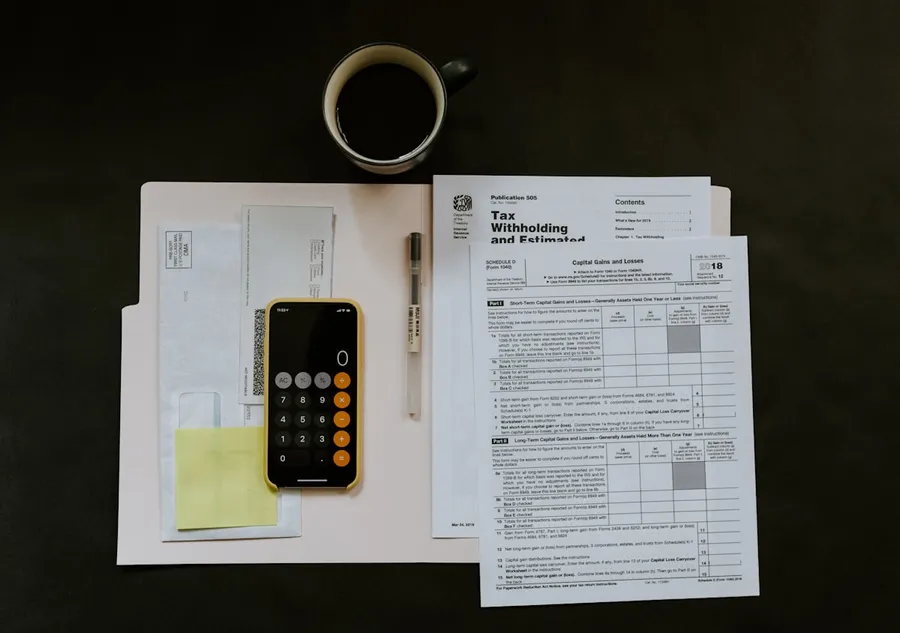
Built for clients dealing with Trinidad and Tobago legal realities, deadlines, and procedural demands.
Matters we handle
Common instructions in this area
- Unpaid invoices and commercial debts
- Landlord and rent arrears issues
- Partly disputed or resisted payment demands
- Demand-letter and pre-action recovery strategy
- Enforcement planning after liability is established
What to expect
How the first stage usually works
- Clarify the amount due, the basis of the debt, any payment history, and whether the debtor is ignoring or disputing the claim.
- Review contracts, invoices, statements, rent records, admissions, and all correspondence relevant to the recovery position.
- Decide whether the matter should proceed by demand, negotiation, proceedings, or post-judgment enforcement strategy.
Why clients use this practice
Built for action
Clients usually come to debt recovery because delay has already become costly. The page is written around leverage, evidence, and speed.
Commercially useful
The service line is designed for businesses and owners who need recovery to support cash flow and business stability.
Clear on documentation
Debt matters often turn on invoices, contracts, account statements, and correspondence, so the intake path stresses record quality early.
Related attorneys
Your Debt Recovery Legal Team
Meet the attorneys most closely connected to debt recovery work.

Martin George
Senior Partner & Lead Counsel
Senior Partner and Lead Counsel with more than 30 years of practice in the courts of Trinidad and Tobago, leading the firm across all of its practice areas with a calm, measured, results-driven approach.

Danesha Munroe
Attorney-at-Law
Instructing Attorney-at-Law admitted to practise in 2023, building experience in negligence claims, mortgage and financial institution disputes, defamation and social media slander, and employment dispute resolution with major local and international companies.
Frequently asked questions
How long do I have to recover a debt in Trinidad and Tobago?
Most contractual debts have a four-year limitation period under the Limitation of Certain Actions Act, Chapter 7:09. Debts under deed have a longer period (16 years). Once the limitation period expires, the debt becomes statute-barred and cannot be recovered through the courts. Acknowledgement of the debt or part-payment can restart the clock — but the safer position is to act promptly.
What is a statutory demand and when is it useful?
A statutory demand under the Bankruptcy and Insolvency Act, Chapter 9:70 (for individuals) or the Companies Act, Chapter 81:01 (for companies) is a formal demand for payment that, if unpaid within 21 days, can support a bankruptcy petition or winding-up petition. It is a useful leverage tool against a clearly solvent debtor who is refusing to pay an undisputed debt — but it should not be used where the debt is genuinely disputed.
Can the firm help if the other side is partly disputing the debt?
Yes. Many debt matters are not a simple refusal to pay. The first review is often about whether the dispute is genuine, tactical, or unsupported by the record. Where the debt is partly disputed, the strategy may differ from a straightforward recovery — pre-action correspondence under the Civil Proceedings Rules, mediation, or proceedings on the undisputed portion may all be options.


Ready to discuss your matter?
Speak with the firm about debt recovery issues, timelines, and the best next step for your situation.